
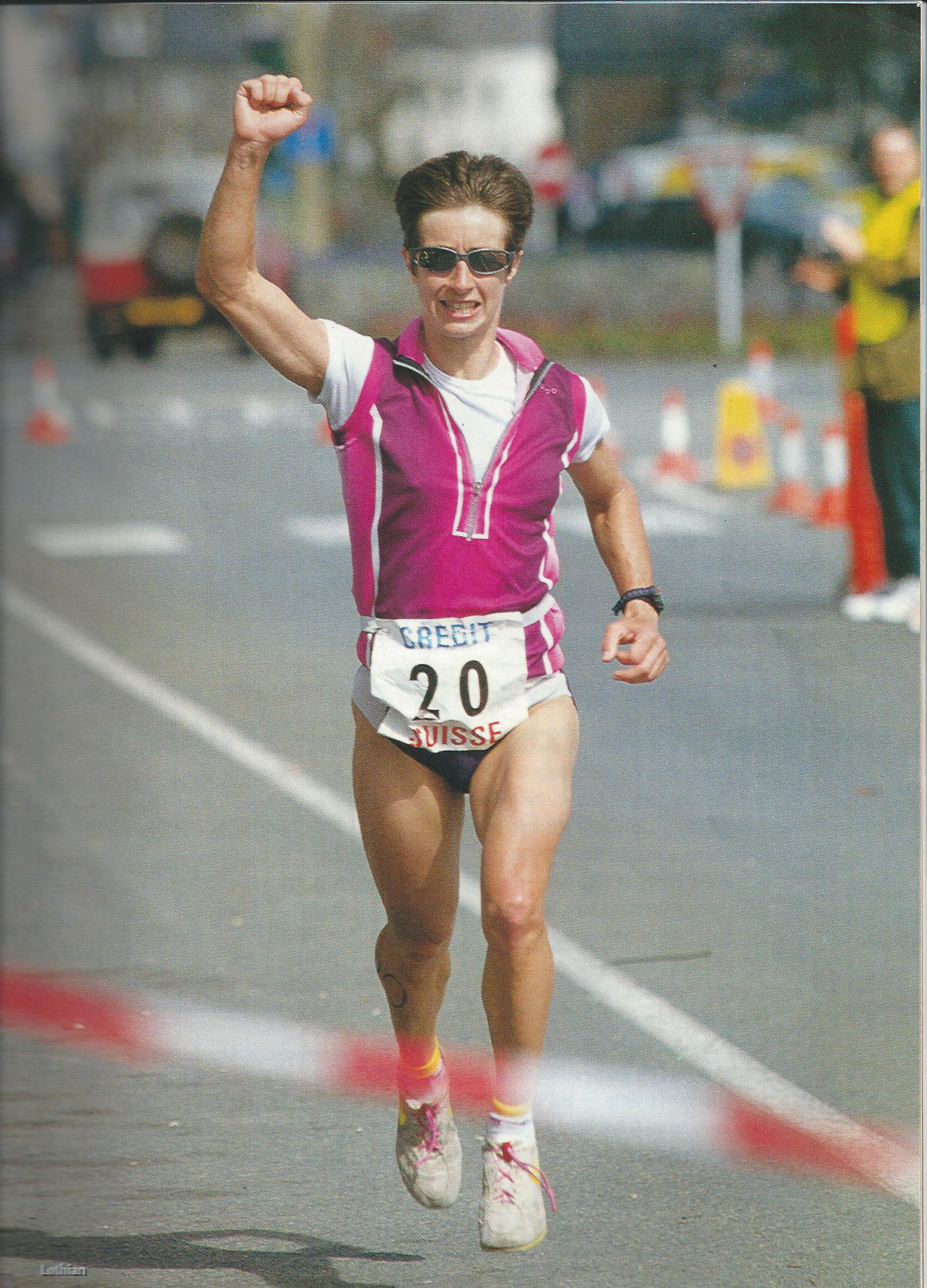
When I first started offering individualised one-to-one triathlon coaching in the late 1990s, there were only a handful of us in the UK. I used to fax a programme on a Sunday night — no email back then! and raced with a wrist watch and racing flats — a world before GPS watches, power meters and carbon plates!
How times have changed. According to a recent article I read, there are now over 1,500 coaches in the UK offering individualised coaching. So, given that enormous choice, how do you identify a coach who can genuinely support you and work with you towards your goals?
My suggestion is simple: have a call with the coach first, and use it to tease out some key questions.
- Is the programme built around you? Does it reflect your goals, your physiology, and your starting point — or is it a generic template?
- Does the pogramme fit your life? Will it work around your job, family commitments, and existing routines?
- Does the plan leave room for the sessions you enjoy? Club sessions and group training often carry a social element that matters just as much as the physiology. A good programme should have space for that.
- Does the coach understand how you like to train? Are you data and technology driven, or do you prefer training by feel and intuition? The right coach adapts to you, not the other way around. Can you receive the programme and feedback in different ways
- Do you want technical input? Will this be done face to face or through videos on line?
- Are expectations clear from the start? Communication, feedback, and how the programme gets adjusted should all be agreed upfront — not figured out as you go.
Be very clear about why you are considering working with a personal coach, what do you want out of it?
- What's the coach's experience and qualifications? Have they worked with athletes similar to you? Do they have a breadth of experience, and have they learned from other coaches along the way, have they evidence of working with the same athletes over several years?
- Can you take a break when you need one? Life happens. Flexibility matters.
- How does the programme handle illness or injury? Can it be adapted and reviewed?
- Does the coach offer different levels of support? Some athletes want a fully individualised programme; others want a short-term plan to build towards a specific event. A good coach should be able to offer both
Choosing a coach is a big decision, and asking these questions upfront will tell you far more than any website or set of credentials ever could.
Leave a Comment
I hope you enjoyed this post. If you would like to, please leave a comment below.